



THE SITUATION
Building an in-house creative department from the ground up.
Creative was a fragmented function: no shared process, no consistent brand execution, no dedicated creative function.
I was brought in to consolidate that into a single department.
I unified four channel teams into one department of six and rolled out new brand guidelines all within my first three months, so we weren't heading into 2025 launch season blind. I then built a new production process end to end, from initial launch briefing to go-live.
THE APPROACH
-
Assessed the team's existing skills and experience across three disconnected channels, three months out from the company's highest-volume season.
-
Separated necessities from luxuries given the timeline, and consolidated three channel teams into one department of six.
-
Rolled out team structure, workflow, and brand guidelines so both the team and stakeholders knew how to work together.
-
Trained designers on print production standards, ramped up a producer, took on vendor relations, and learned performance media from the ground up, addressing skill and process gaps as they surfaced.
-
Ran a full post-mortem on the first launch season and used it to build a new end-to-end production process, from launch briefing to go-live.
THE EVOLUTION
Before — no shared direction
After — one connected team
When I joined Shady Rays, creative was split across four disconnected teams: performance, retention, organic and a brand team directing photoshoots with no production background. I consolidated everything under one roof, elevated a designer into a lead producer role that transformed our photo and video quality, and cross-trained the rest of the team into generalists who move across print, retention, performance, and web. I also took on oversight of every external creative vendor, working alongside the lead producer to keep production standards consistent.
Business doesn’t wait for perfect structures and processes. As I worked to improve the creative ops, the creative output had to keep up. However, keeping up wasn’t what I wanted, I wanted to excel. The single biggest lever to improve the perception of the brand and the product was to push the photography beyond the status quo.
THE VISUALS
THEN
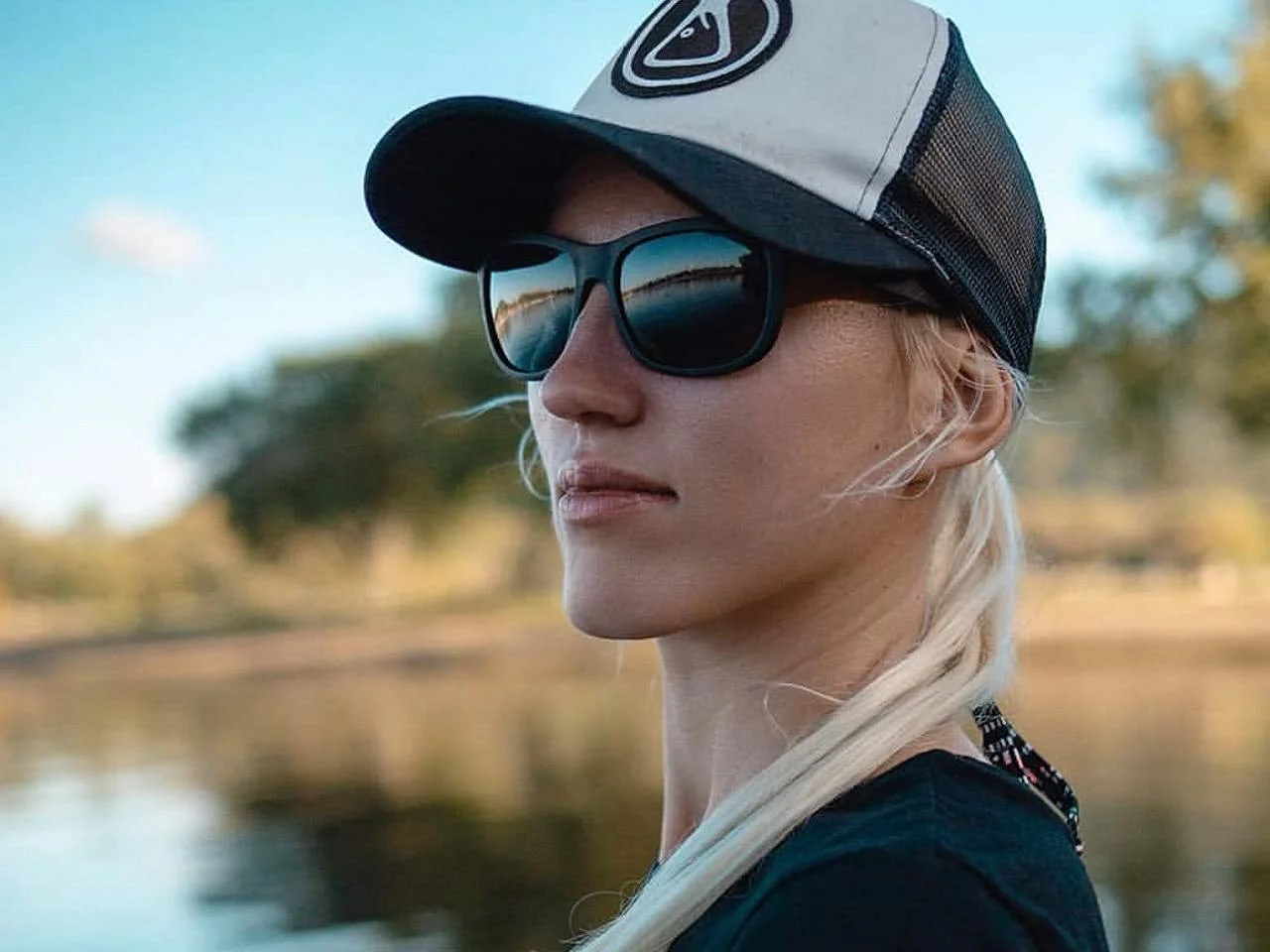
The brand relied heavily on a diverse roster of photographers, each with their own style, approach, strengths, and weaknesses. It served purpose of showing off the product, but didn’t a reason for people to follow the brand.

NOW
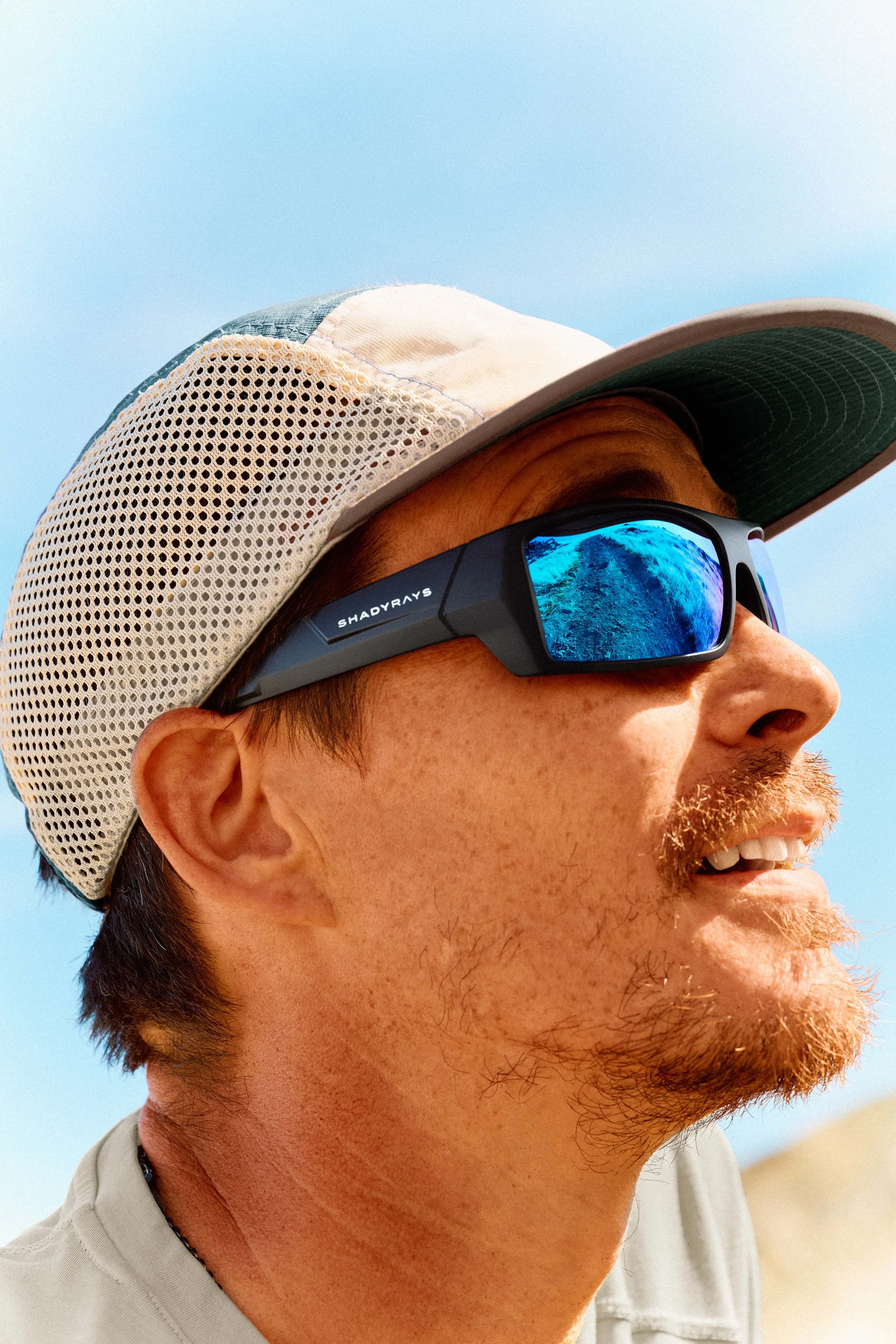
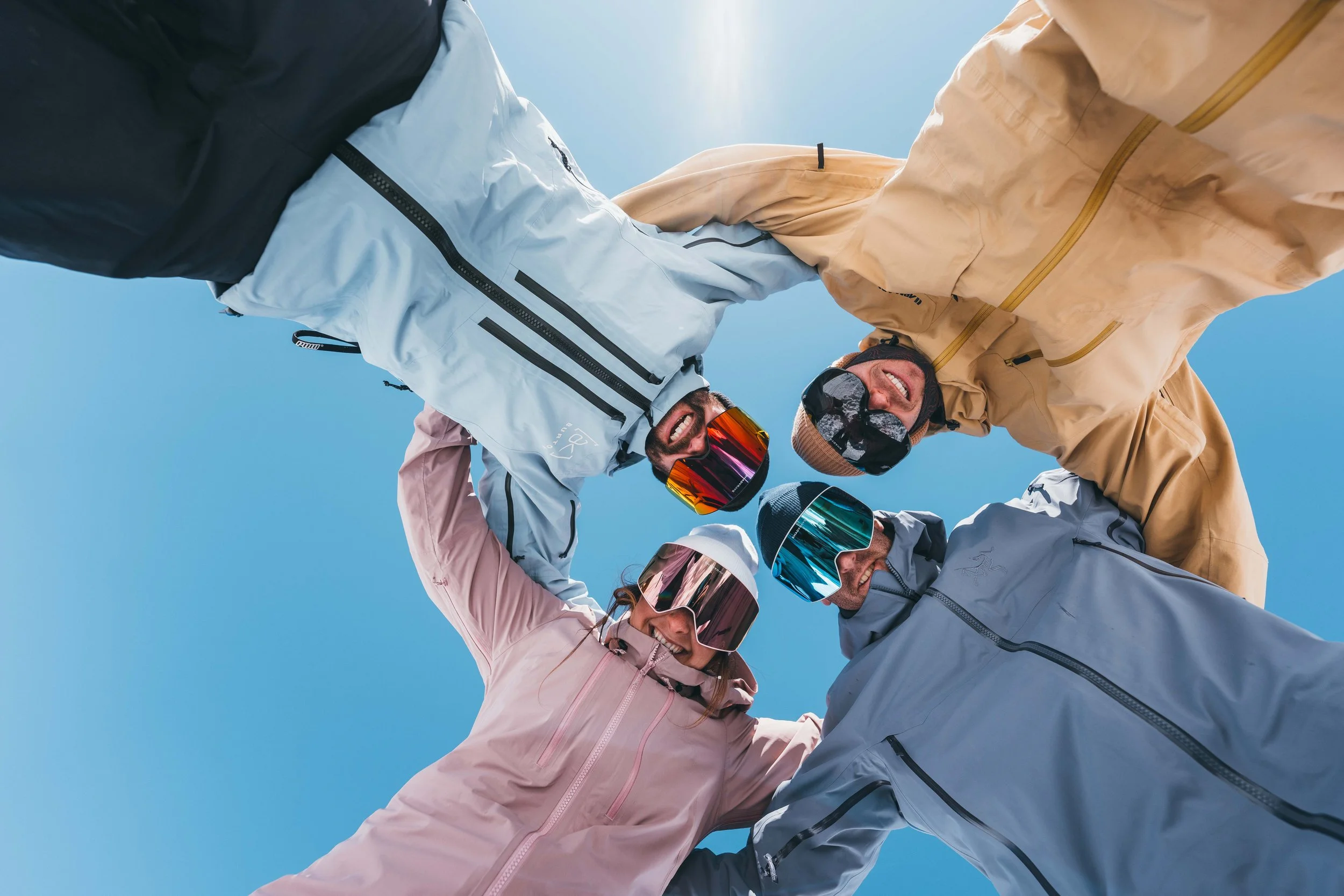
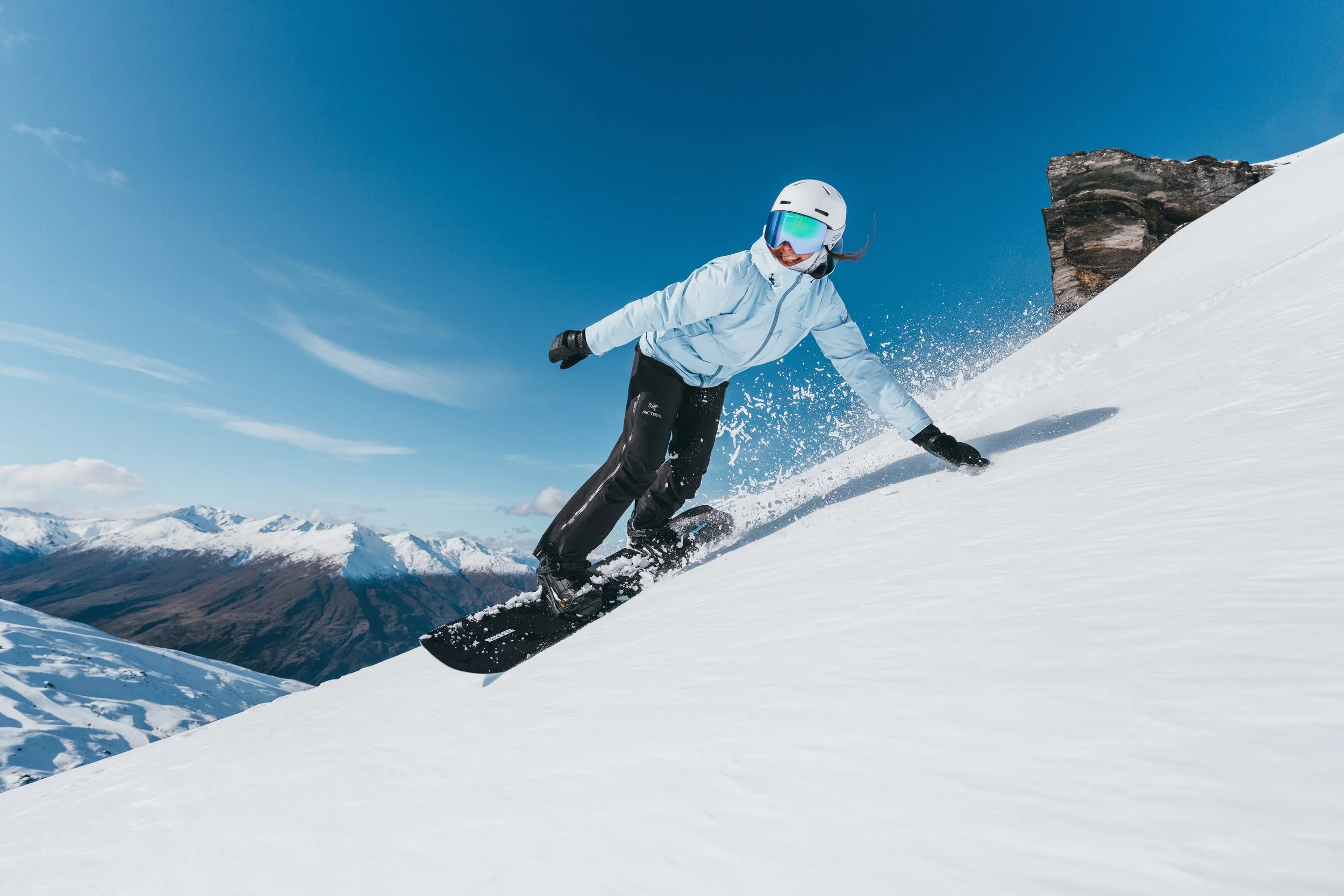
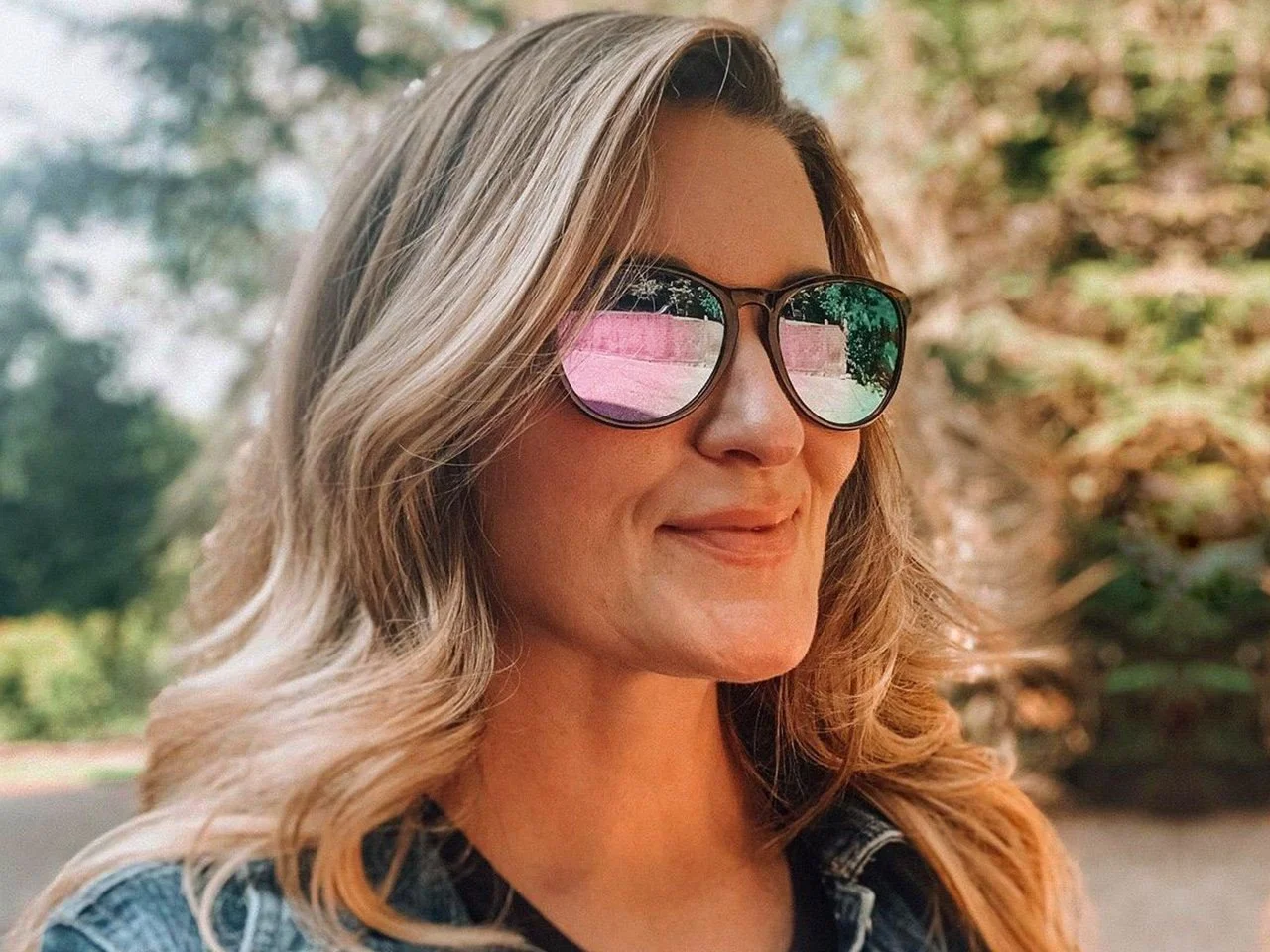
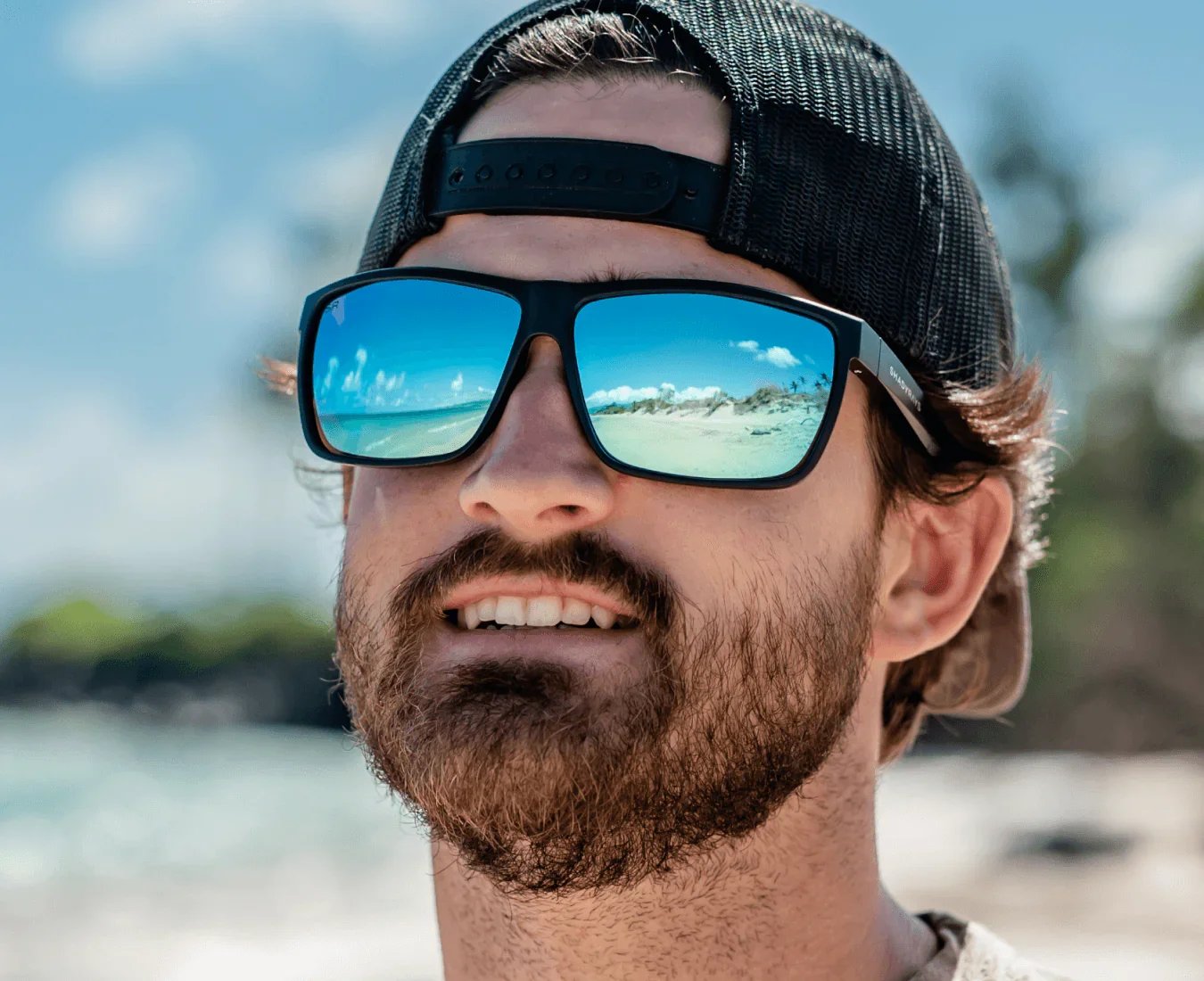
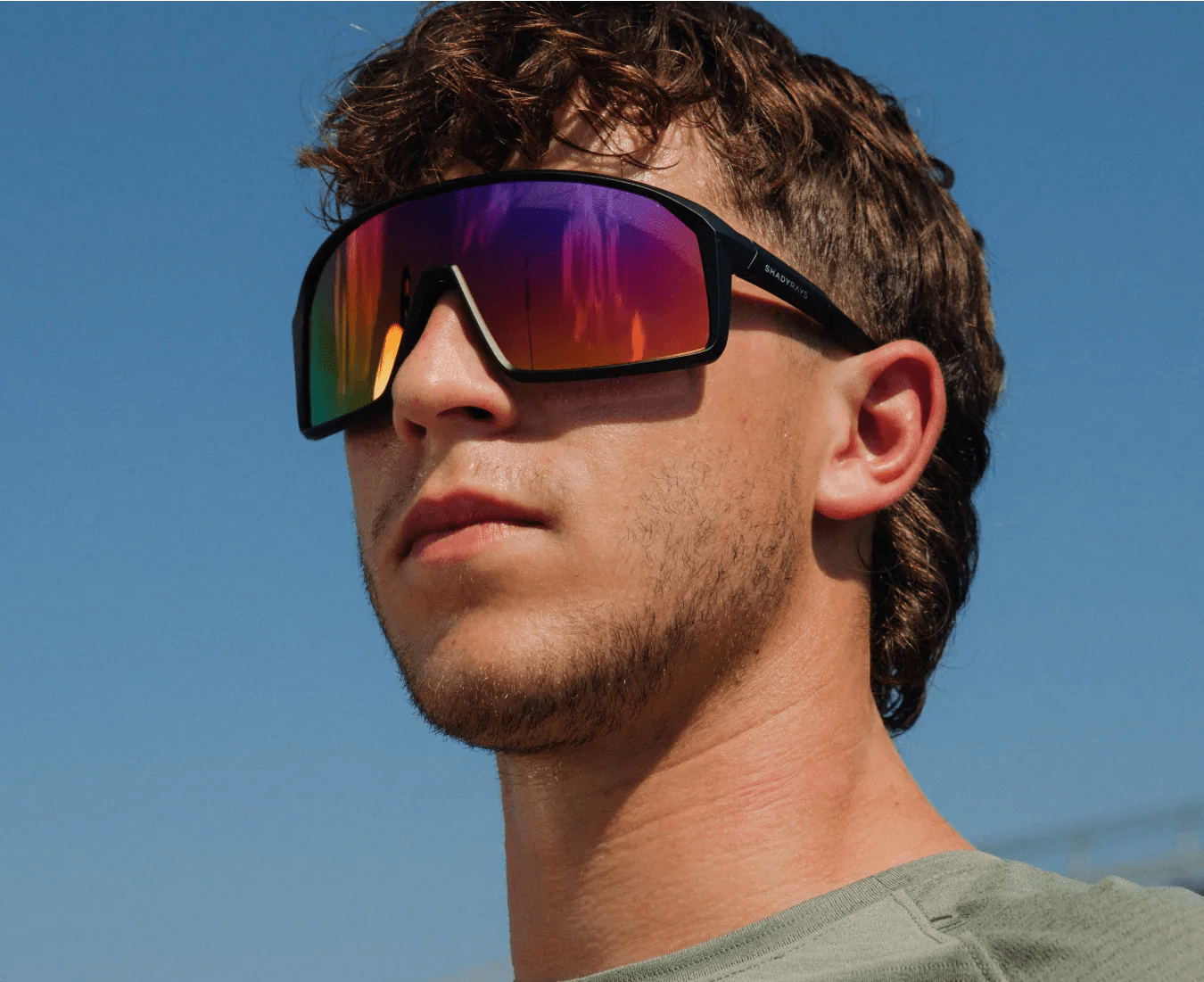
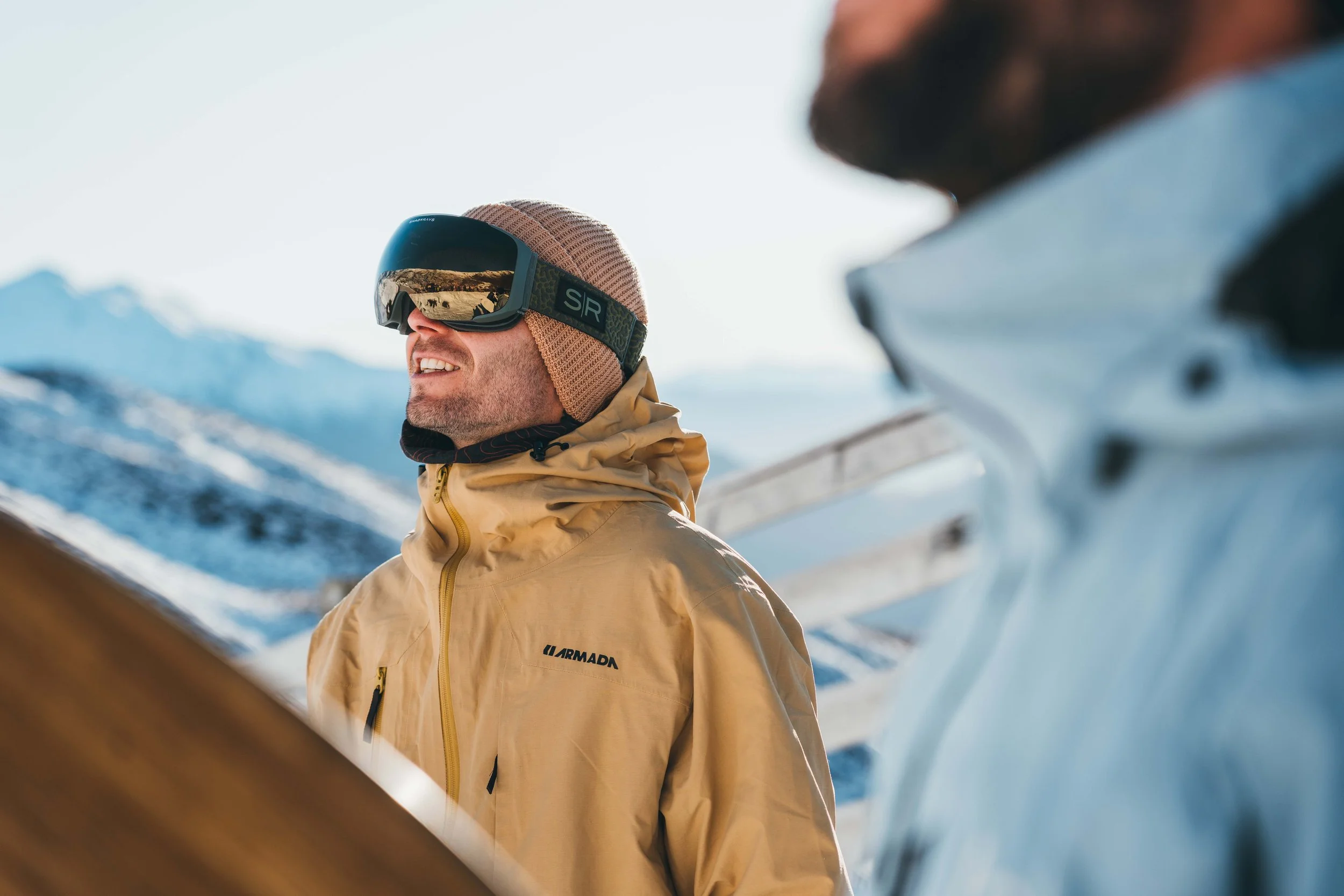
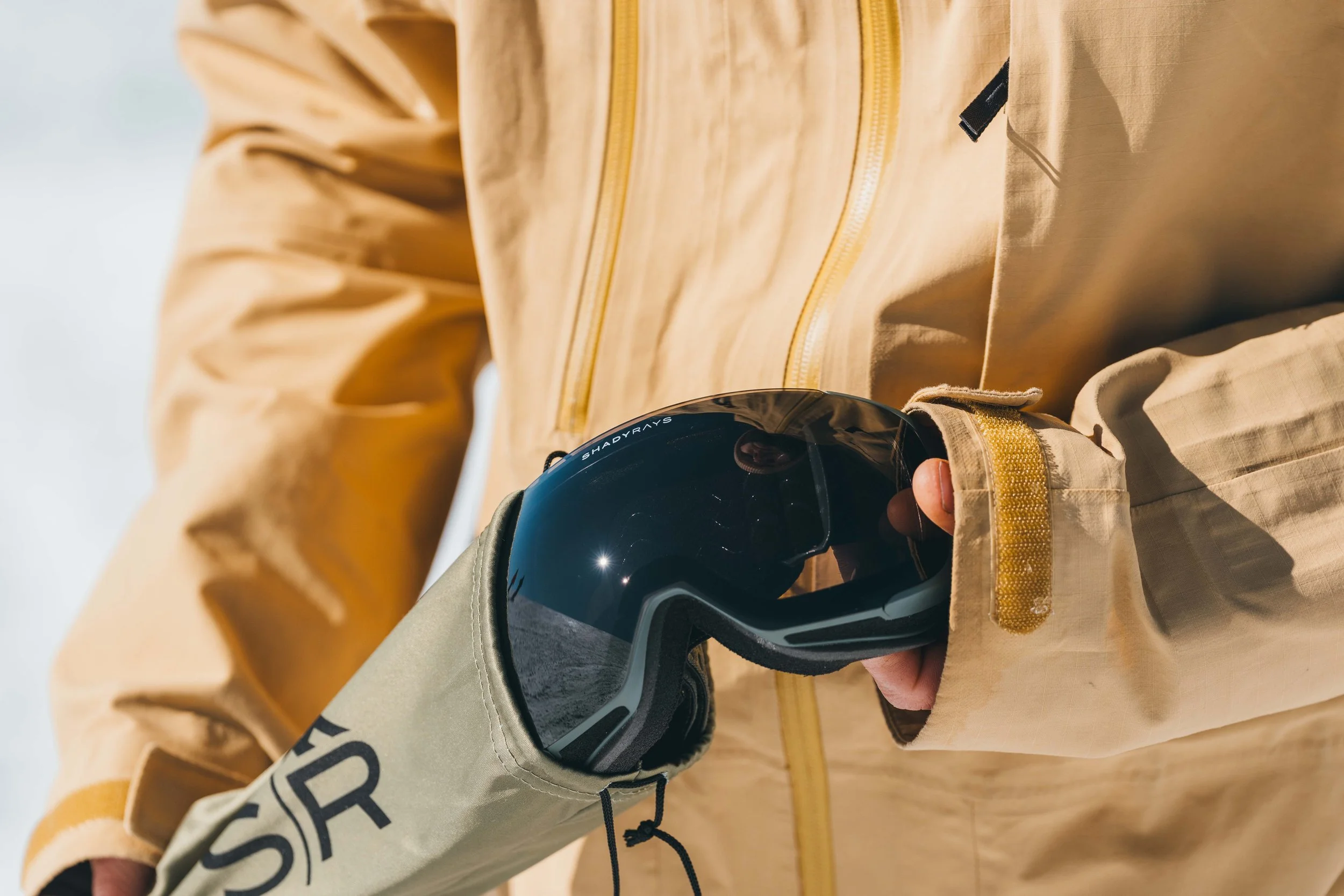
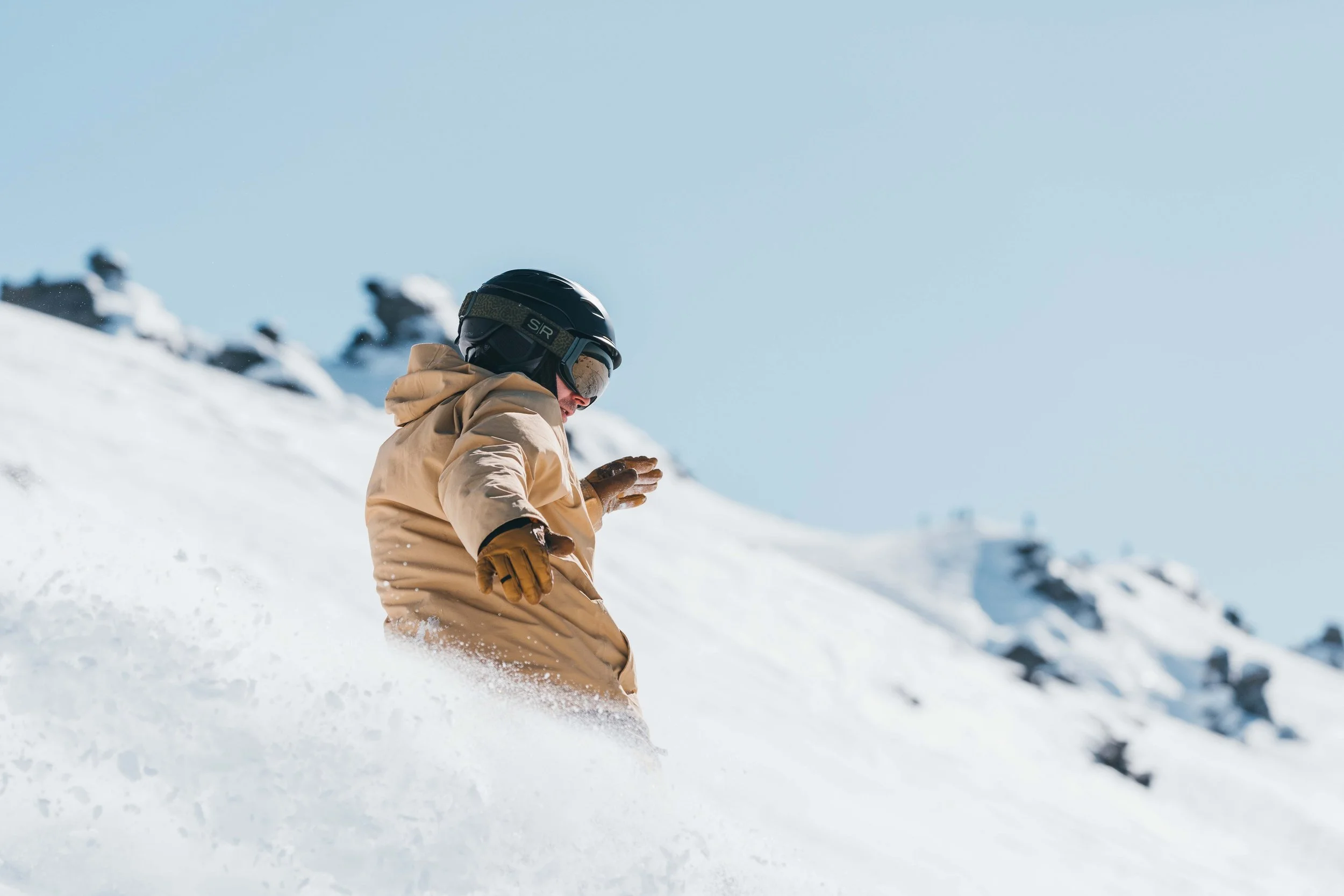
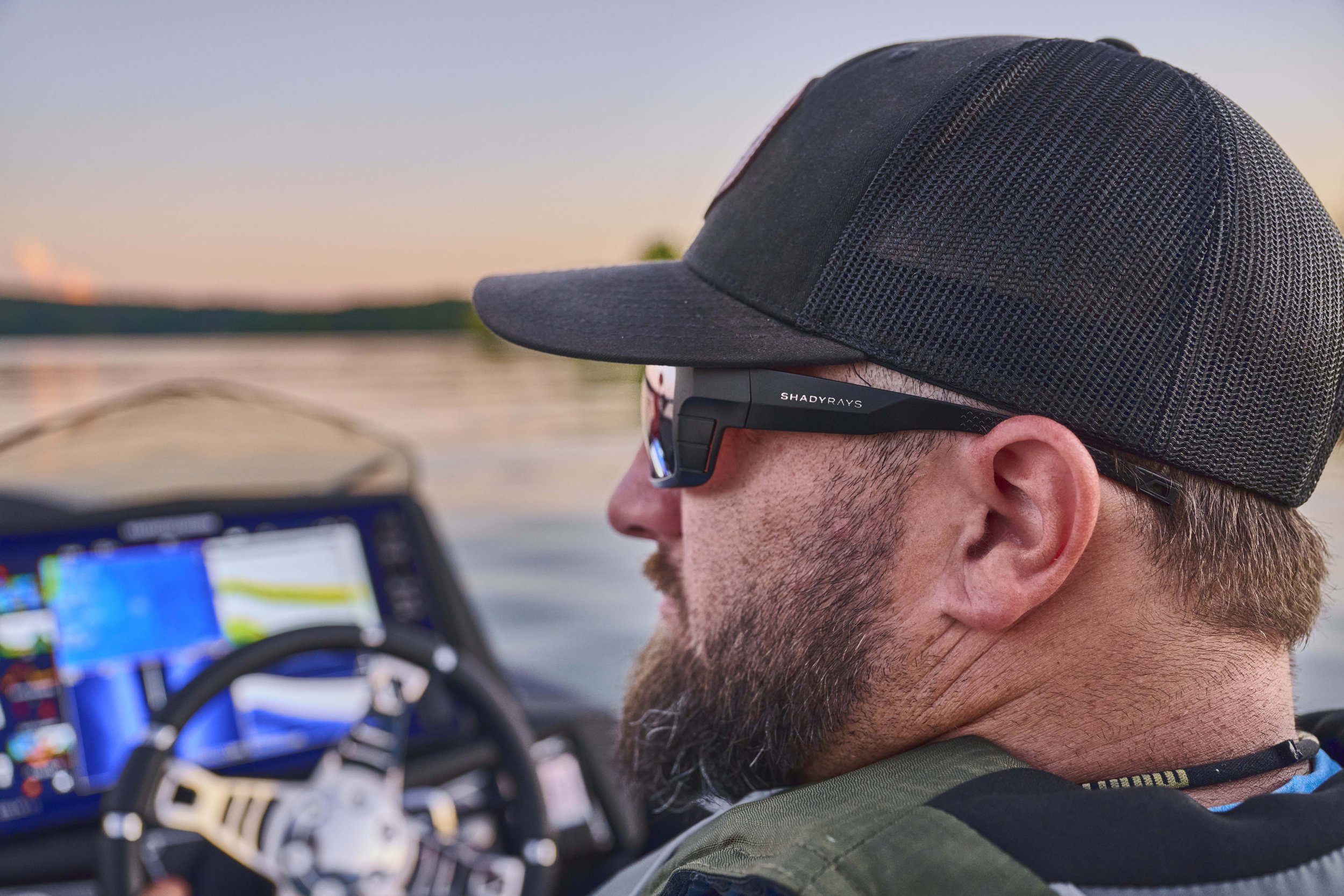
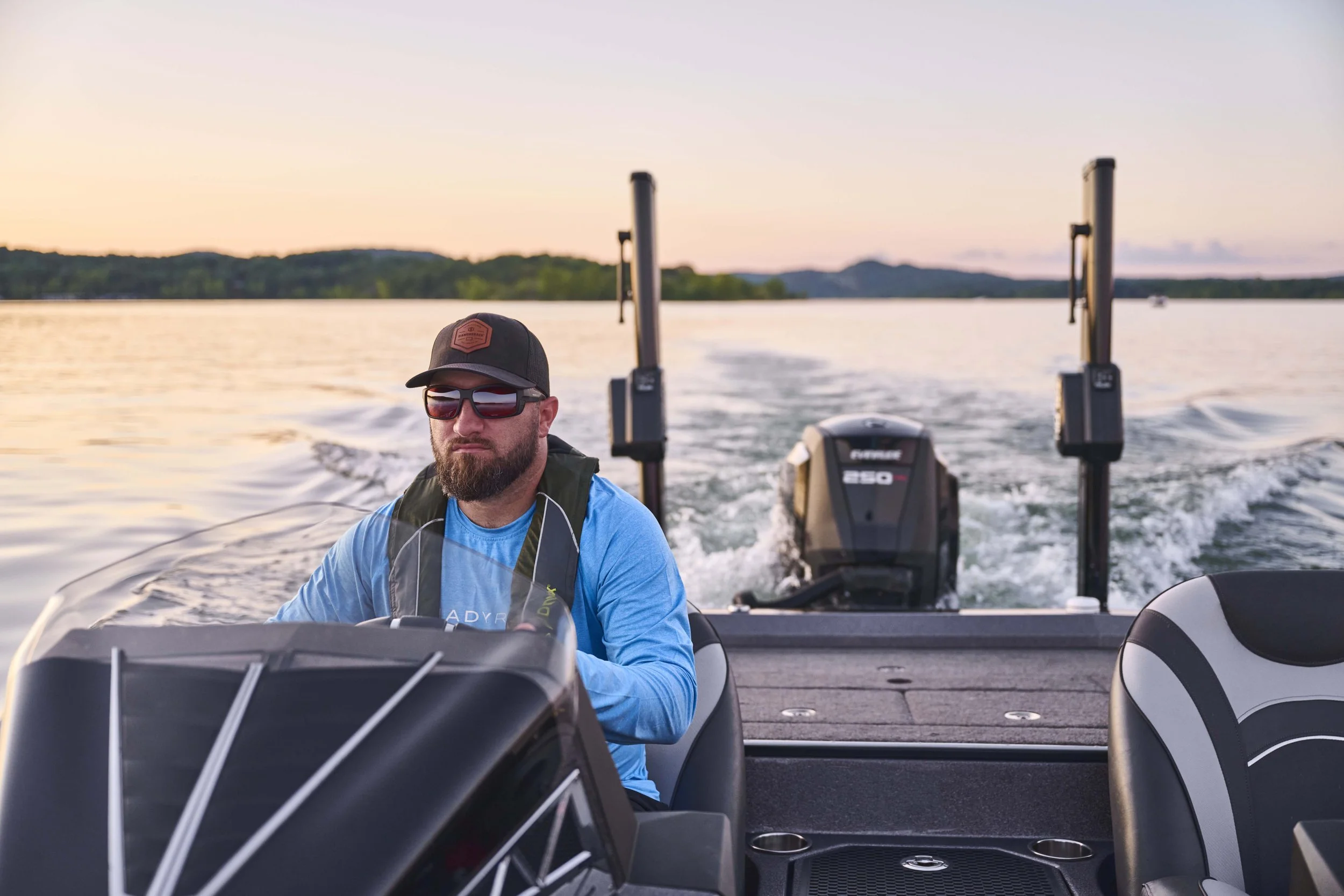
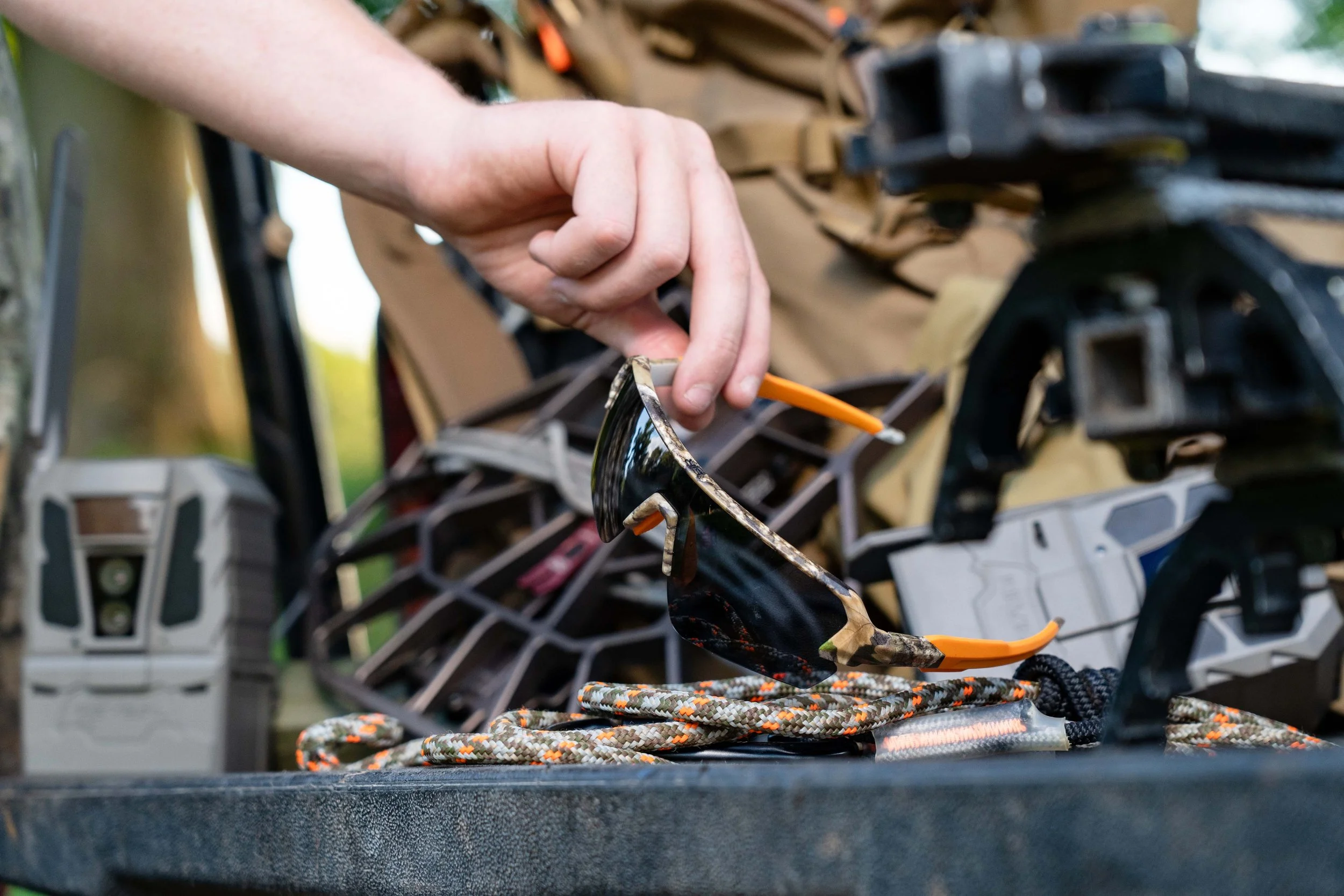
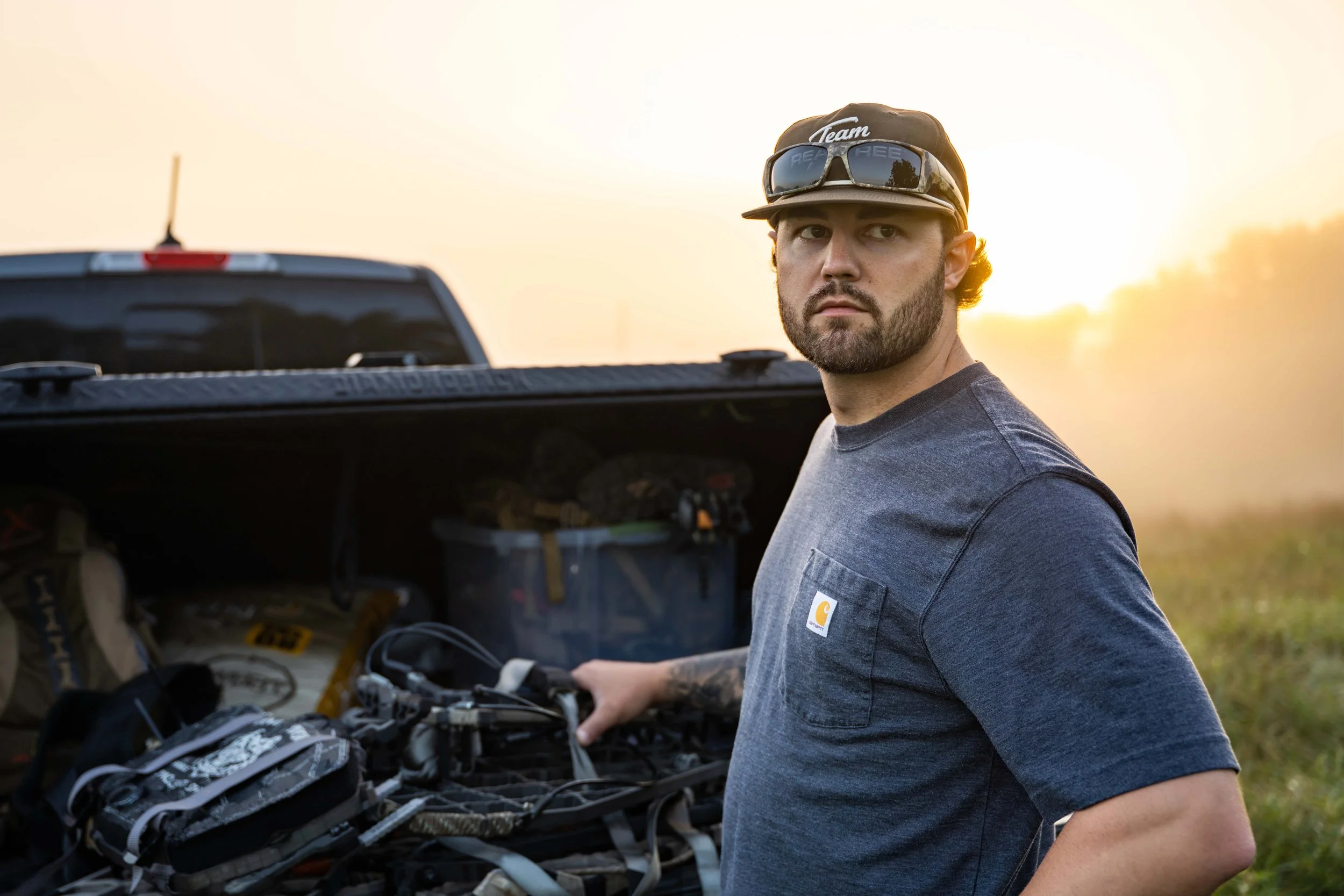
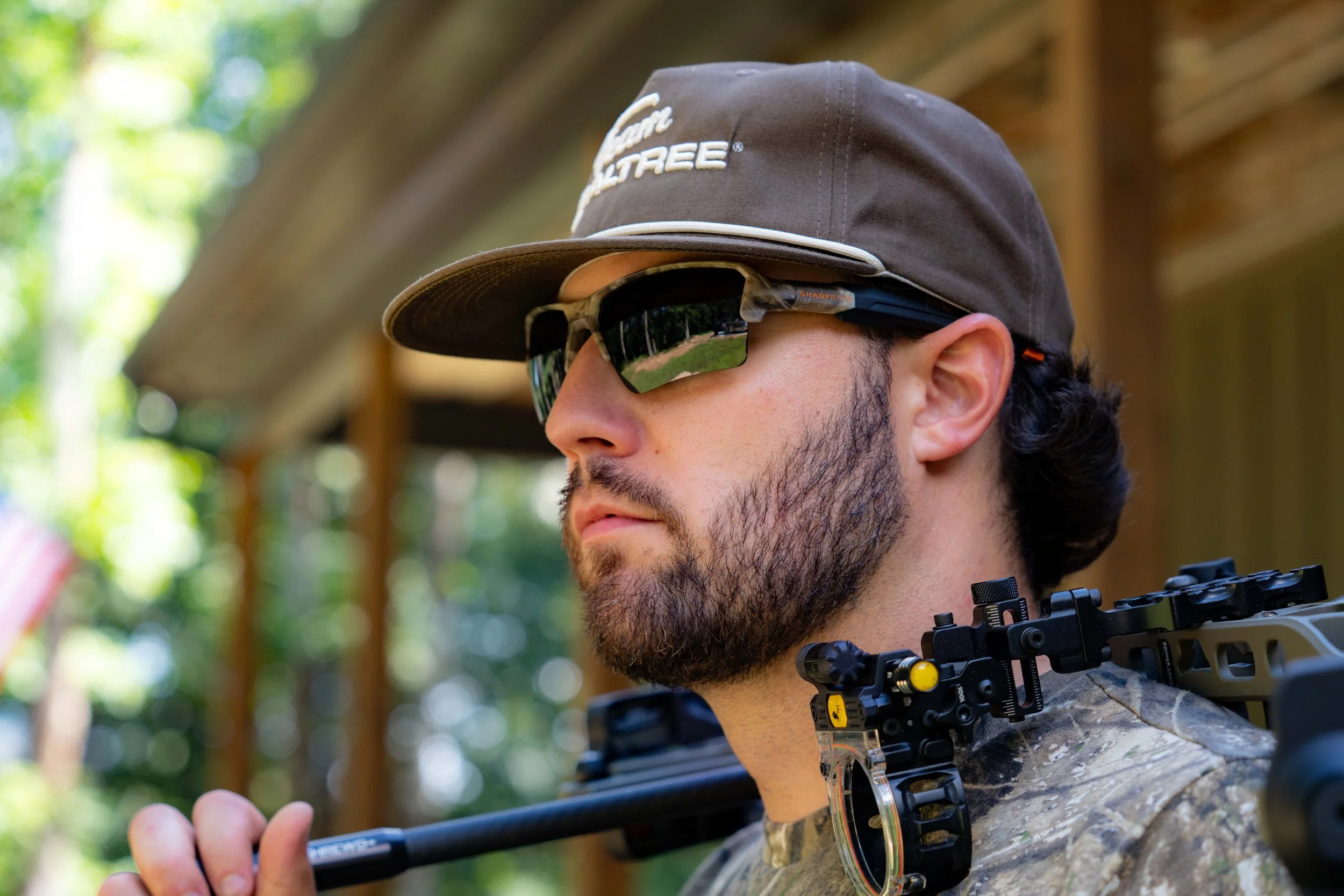
By carefully curating our roster of creatives, I worked with my producer to focus on authentic lifestyle content, with real people doing real activities.
By developing uniform creative briefs, direction decks, and close collaboration with creators, I was able to direct the outcome even when I couldn’t be on set to direct it.

THE WORK
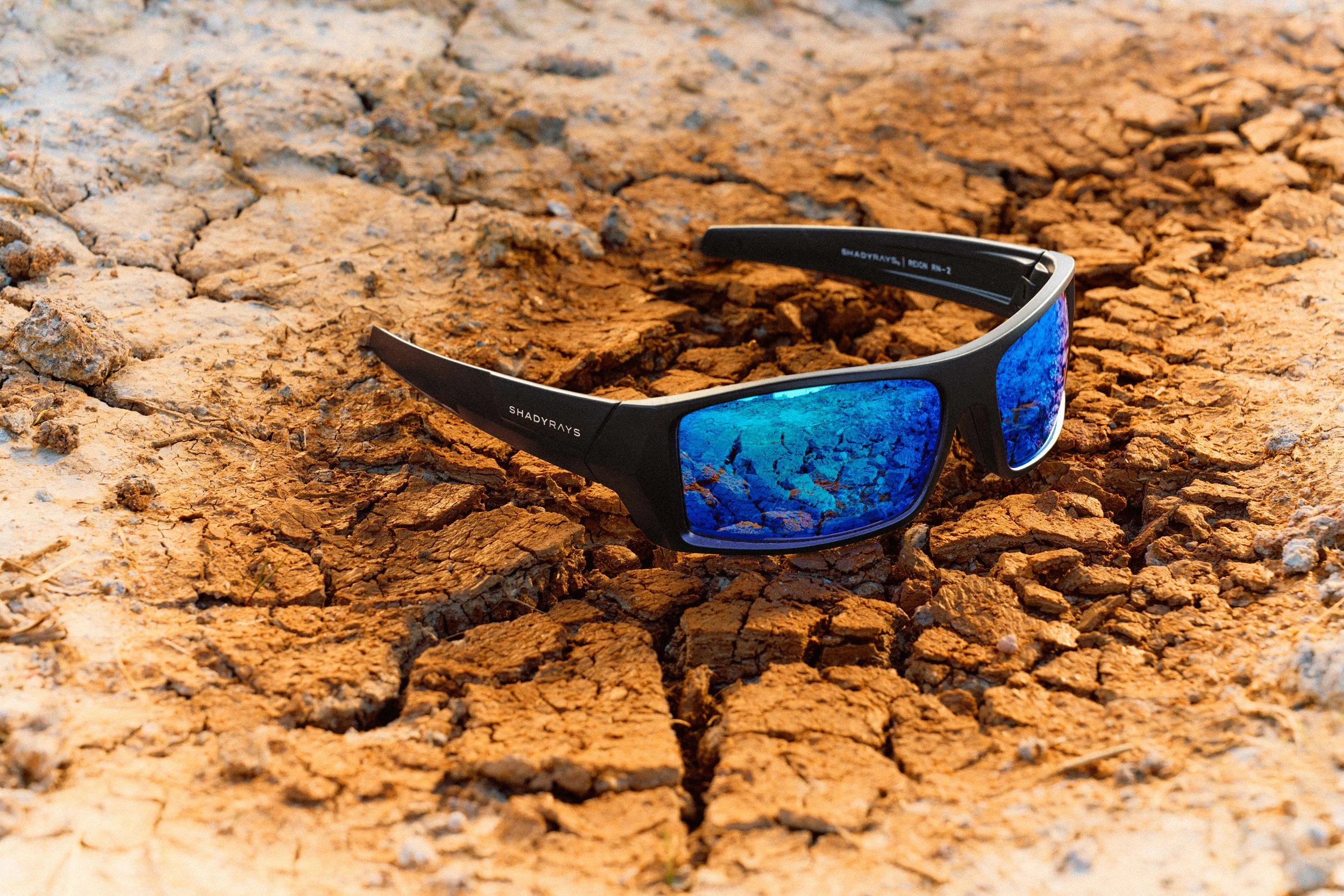
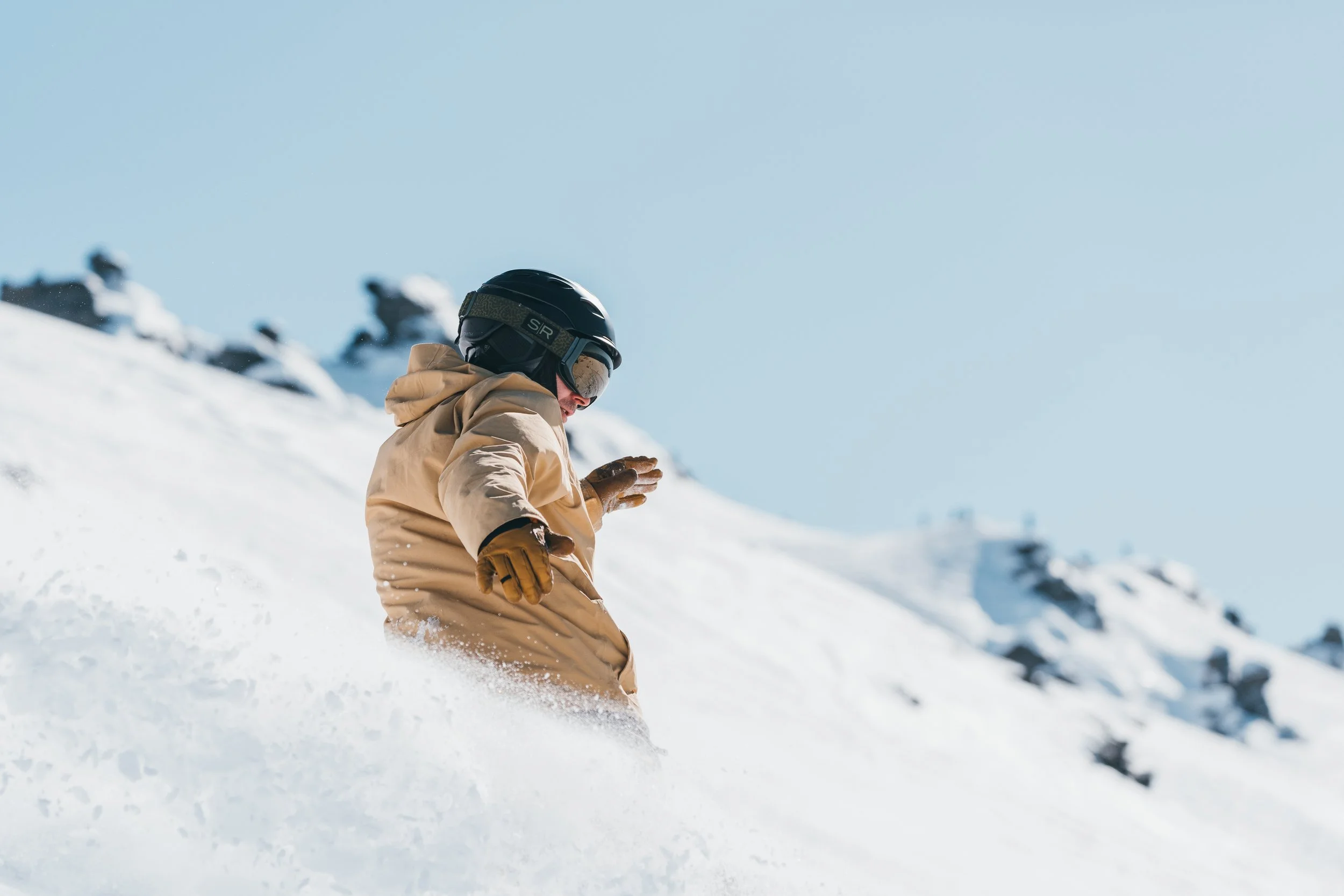
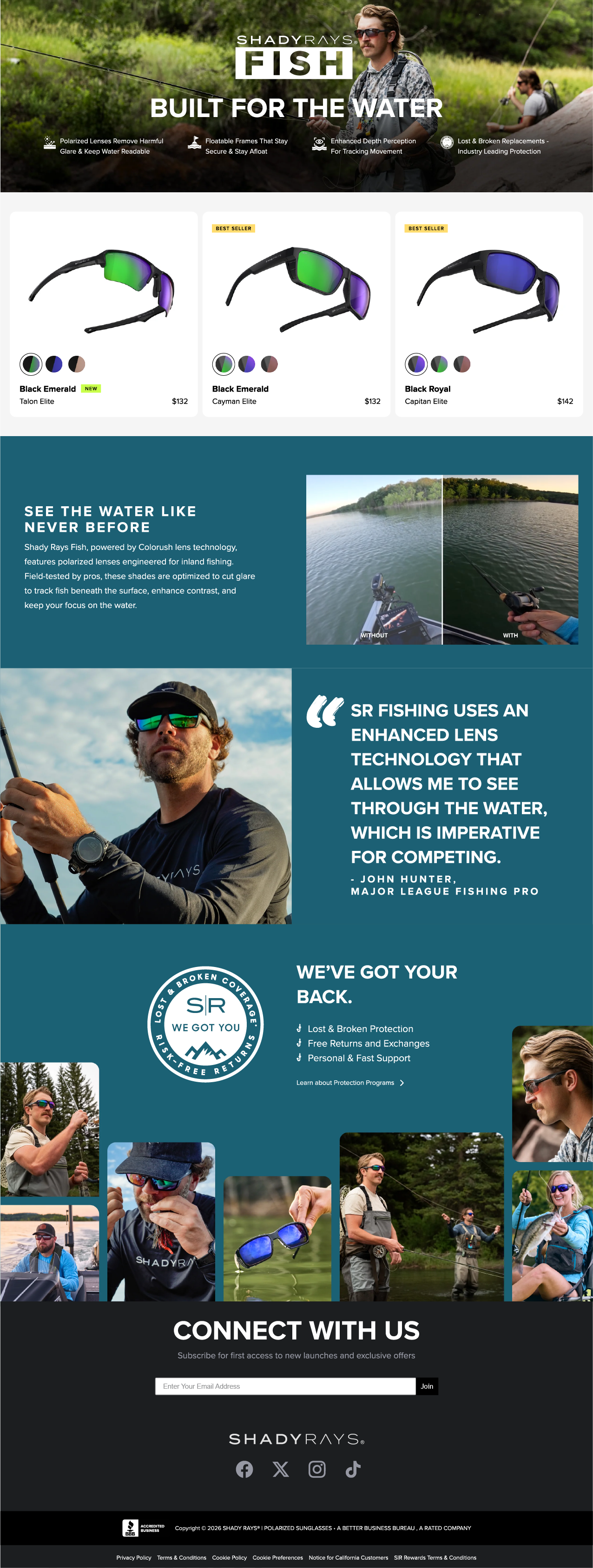
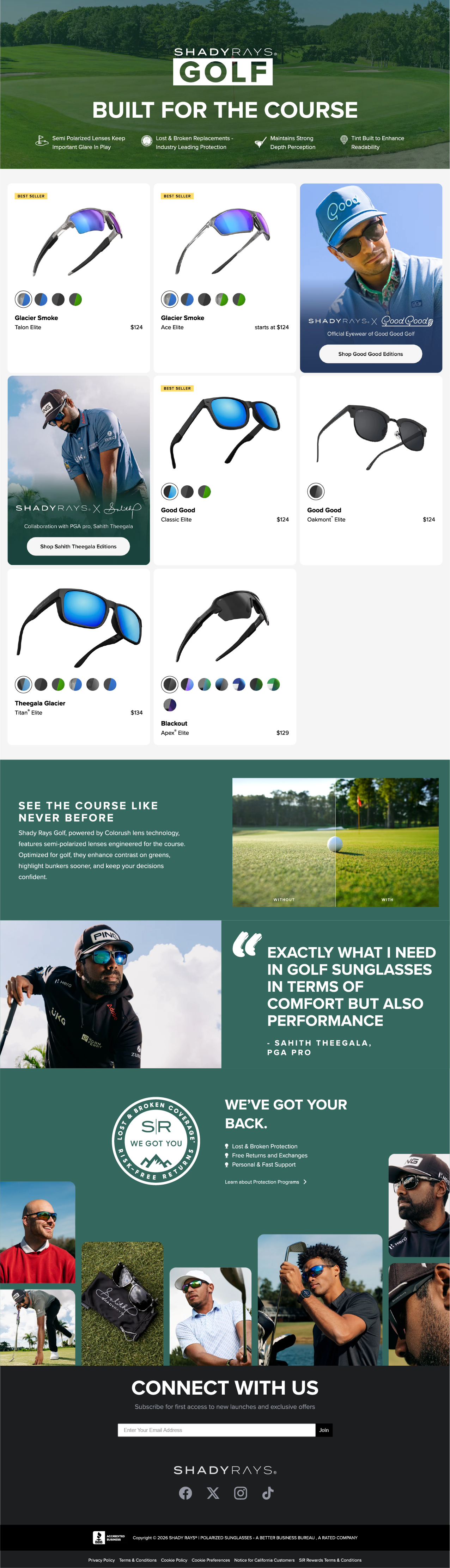
...well, some of itBy elevating our approach to photography, the design work was able to follow suit. Better source material, better output. The was crucially important for our performance verticals: Fish, Snow, and Golf.
The overarching theme of Shady Rays is minimal, premium, and relied on a Black and White brand palette to communicate that.
By incorporating specific colors to indicate our performance product categories, we are able to differentiate them on the website and across media. This approach allows us to build equity in the product line with our target demographics without taking away from the brand’s equity.

THE RESULTS
2.1k+ deliverables completed in year one
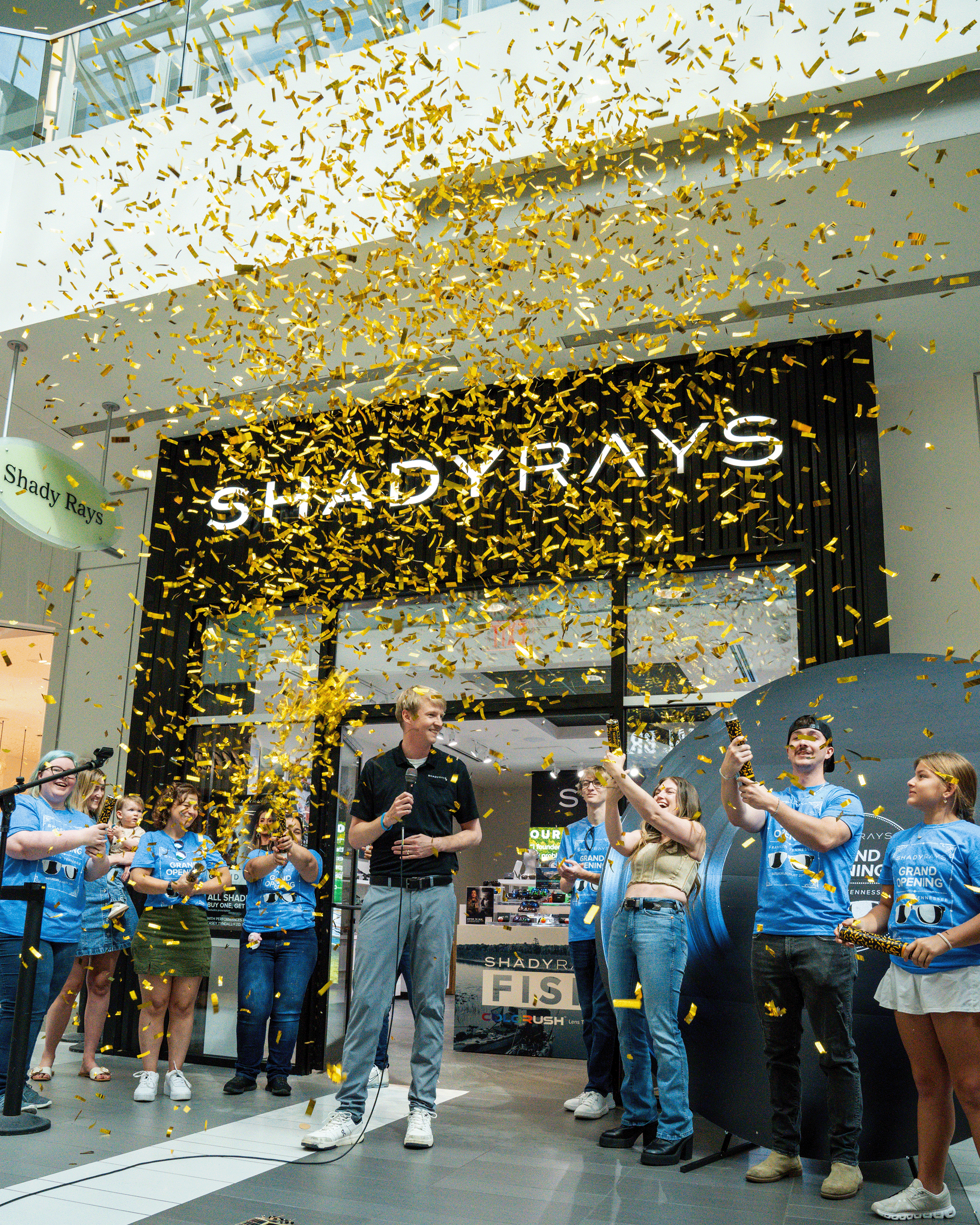
25 product launches supported, each a full separate production
Top 8 highest-revenue days in company history in my first year
135% output growth in Q1 of year two, with no added headcount
THE PERCEPTION
Before, creative was a service four teams called on when they needed something made. After, it was a function stakeholders came to for direction, not just execution.